
Why the Right Harness Makes All the Difference
A harness that fits well doesn't just look good — it gives you control, keeps your dog comfortable, and makes every walk more enjoyable. But with so many options out there, choosing the right one can feel overwhelming. This guide breaks it down by breed type and size so you can make the right call first time.
Step 1: Understand Your Dog's Body Shape
Not all dogs are built the same, and harness fit depends heavily on body shape:
- Deep-chested breeds (e.g. Greyhounds, Whippets, Boxers) — need a harness with a wider chest panel and adjustable girth straps to avoid slipping forward.
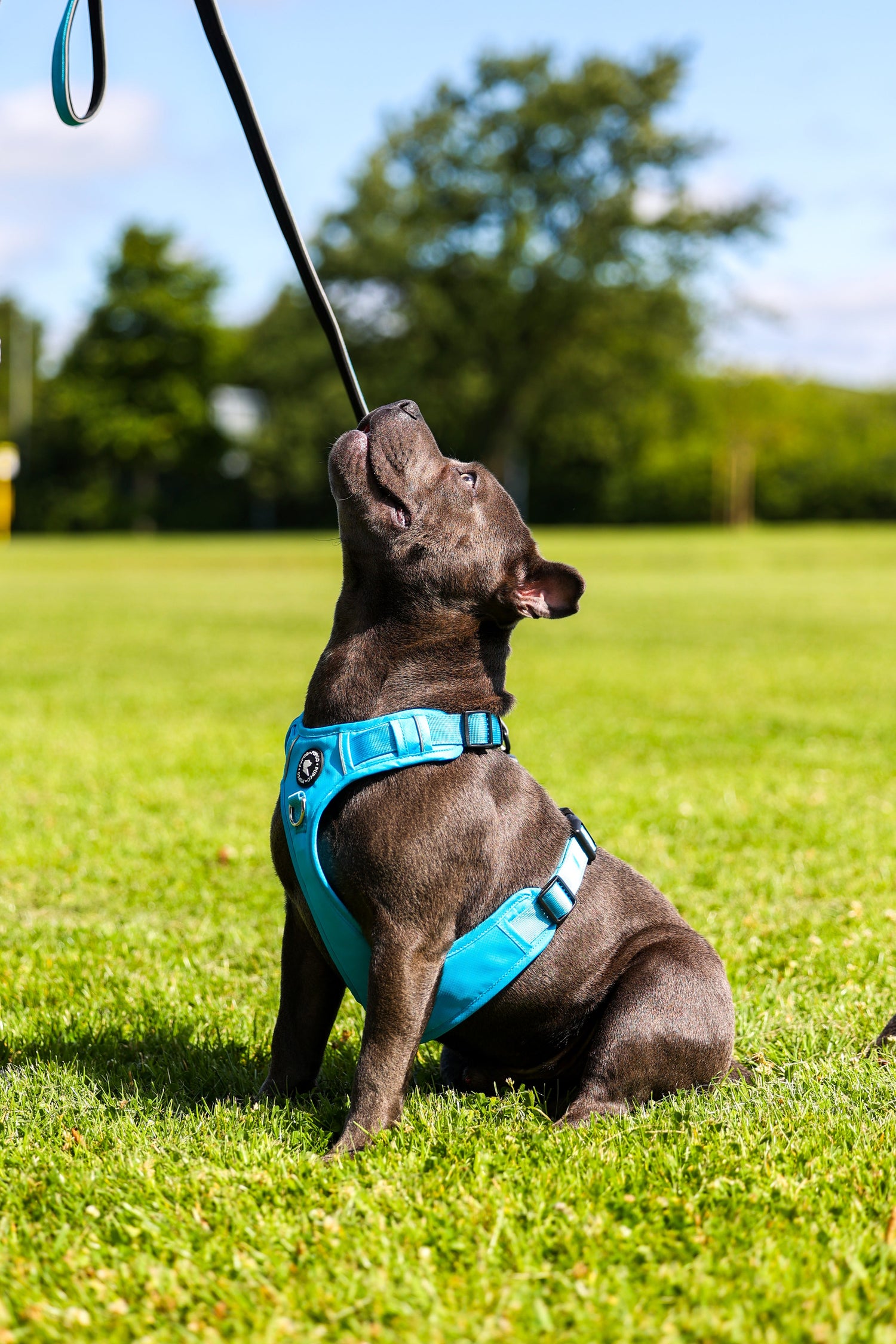
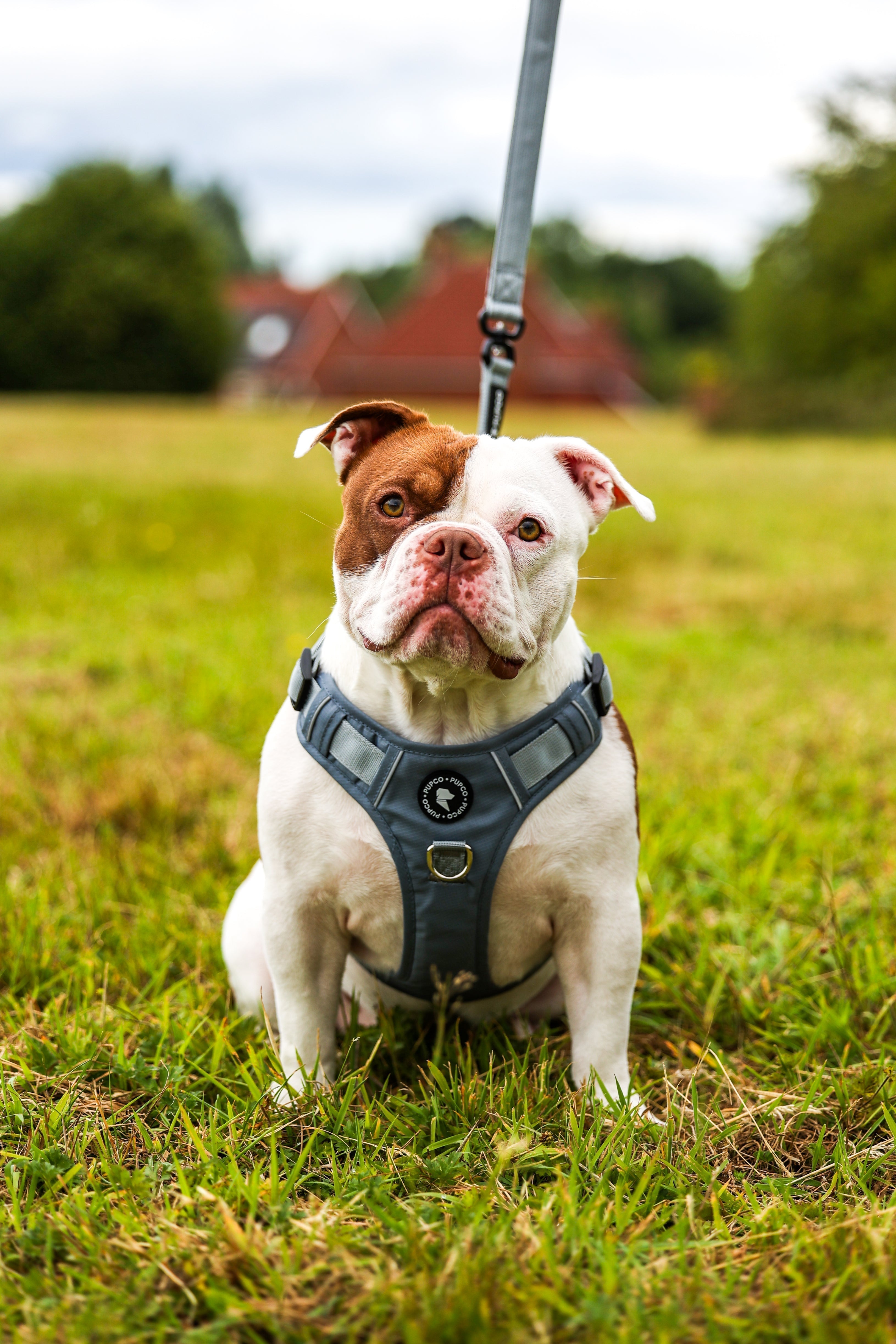
- Barrel-chested breeds (e.g. Bulldogs, Pugs, French Bulldogs) — need a harness with a wide, padded chest piece and plenty of girth adjustment.
- Lean, athletic breeds (e.g. Border Collies, Labradors, Spaniels) — suit a snug, close-fitting harness that doesn't restrict shoulder movement.
- Small breeds (e.g. Dachshunds, Shih Tzus, Miniature Schnauzers) — need a lightweight harness with a soft lining to avoid chafing on delicate skin.
Step 2: Measure Before You Buy
Always measure your dog before purchasing. You'll need two measurements:
- Chest girth — the widest part of the chest, just behind the front legs.
- Neck circumference — around the base of the neck where a collar would sit.
Add 2–3 cm to each measurement to ensure a comfortable fit. If your dog falls between sizes, size up.
Step 3: Match the Harness to Your Training Goal
Different harnesses serve different purposes:
- No-pull harnesses — front-clip designs redirect your dog's momentum when they pull, making them ideal for dogs still in training. The PupCo Lunar Harness features a front-clip attachment point alongside a back clip, giving you both control and versatility.
- Back-clip harnesses — better for calm, well-trained dogs or activities like running and hiking where you want freedom of movement.
- Dual-clip harnesses — the most versatile option, letting you switch between front and back clip depending on the situation.
Step 4: Prioritise Comfort and Breathability
A harness your dog finds uncomfortable won't stay on for long. Look for:
- Padded chest and belly panels to prevent rubbing
- Breathable mesh lining — especially important for active dogs or warmer months
- Smooth, rounded edges on all hardware
- Reflective stitching for low-light visibility
The PupCo Lunar Harness is designed with all of these in mind — a breathable mesh body, padded contact points, and reflective detailing for early morning or evening walks.
Step 5: Check the Adjustment Points
A good harness should have at least 4 adjustment points — two on the chest and two on the girth — so you can dial in the fit precisely. Avoid harnesses with only one or two adjustment points, as these rarely fit well across the full range of body shapes.
Size Guide: Which Lunar Harness Size is Right?
Here's a quick reference for the PupCo Lunar Harness:
| Size | Chest Girth |
|---|---|
| S | 40–52 cm |
| M | 52–65 cm |
| L | 65–80 cm |
| XL | 80–95 cm |
Always measure your dog and refer to the product size guide for the most accurate fit.
Final Thoughts
The right harness transforms walks from a battle into a pleasure — for both of you. Take the time to measure, consider your dog's body shape and training stage, and choose a harness built for comfort and control.
Ready to find the perfect fit? Shop the PupCo Lunar Harness — available in Black, Grey, and Rose Pink.

Leave a comment
This site is protected by hCaptcha and the hCaptcha Privacy Policy and Terms of Service apply.